
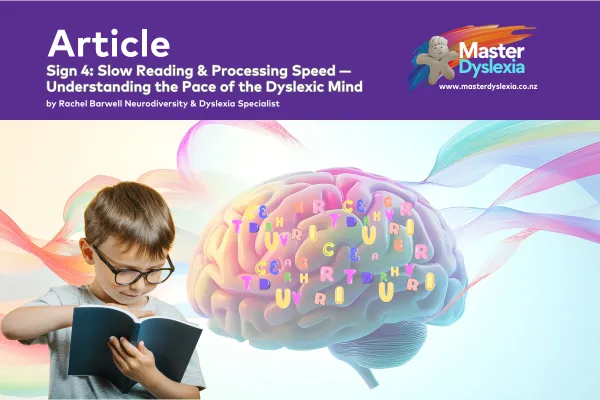
Slow Reading & Processing Speed — Understanding the Pace of the Dyslexic Mind
Slow reading and processing don’t mean someone isn’t capable. They simply reflect a different cognitive rhythm. Recognising this sign of dyslexia helps reduce pressure and support true ability.
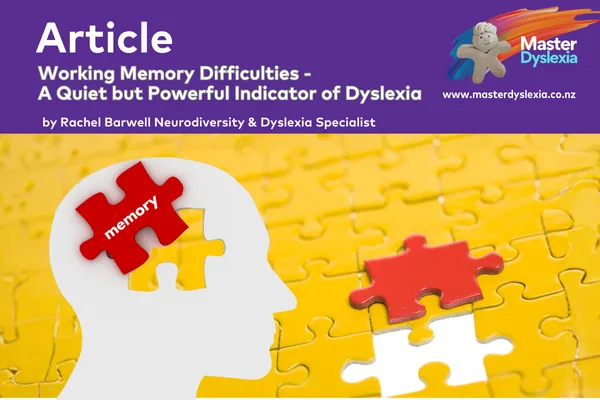
Working Memory Difficulties
A compassionate look at how working memory difficulties impact dyslexic children and adults, why this sign is often misunderstood, and how awareness transforms support, confidence, and learning.

When Reading Feels Like a Mountain: The First Sign of Dyslexia
When reading feels like a battle, it’s easy for a child to believe they can’t do it. But what if the problem isn’t effort, it’s approach? This week’s article explores the first sign of dyslexia: reading fluency challenges, and how meaning, not memorisation, opens the door to understanding. Read on to discover how connection turns confusion into confidence.



Professional services described as Davis™, including Davis Mastery for Dyslexia®, Davis™ Symbol Mastery, Davis™ Orientation Counseling, Davis™ Mastery for Attention, Davis™ Mastery for Maths, and Davis™ Foundations for Learning Literacy may only be provided by persons who are trained and licensed as Davis Facilitators or Specialists by Davis Dyslexia Association International.